
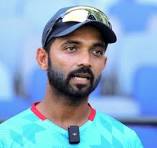
Veteran Indian cricketer Ajinkya Rahane recently announced his decision to step down as Mumbai’s Captain in domestic cricket through a social media post.
Cricket aficionados are familiar with ‘Jinks’ Rahane’s credentials as one of India’s finest mid-order, technically sound and quality Test batters in the classic ‘Dravid’ mould who’s finest hour came when he led India from the front to a famous Series victory against the powerful Aussies ‘Down Under’ in 2021 after Captain Virat Kohli had to suddenly return to India. A gripping Web-series titled ‘Bandhon Mein Tha Dum’ on OTT tells the story of indomitable courage. India played with substitutes after injuries to the frontline players.
Now 37 years old and out of favour with the quirky selectors, Rahane remains a student of the game who lets the bat do all the talking, never sulks and complains but harbours the desire to again play for India. The Selectors in their wisdom feel he’s over the hill but instead of ‘walking into the sunset’, Ajinkya continues to hone his skills on the field. He is the quintessential ‘nice guy’ of Indian Cricket, a team-man to the core, who’s willing to step down as Captain (in Ranji Trophy for Mumbai) and make way for the younger lot.
People hold different views on the stepping down from leadership roles. For one despite loads of experience it’s not that easy to deliver results consistently and remain successful as a leader. Another truth is losing the respect of the team that has members with more talent & promise. In every sphere of work-life and enterprise there’s need for succession planning & reining in fresh leaders to usher new ideas and expanding into new horizons. Ajinkya Rahane has set a template that is worth emulating, but it’s a tough act to follow.
 Working on Living